
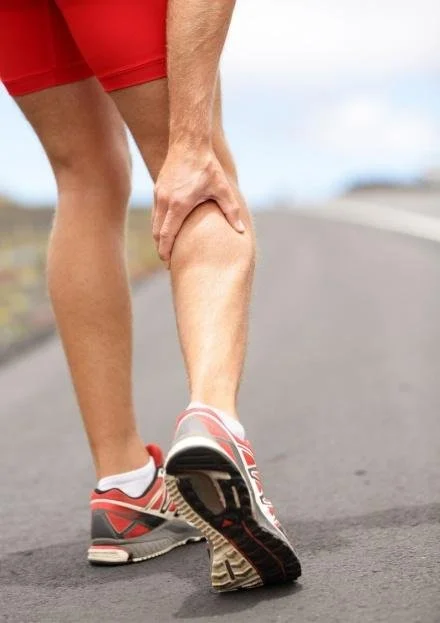
A muscle spasm is classed as a sudden involuntary muscle contraction, often referred to as cramp. The main difference between the two is that cramp is usually a short-term pain, whereas a spasm can last for some time or return in cycles. This information is intended for muscle spasm or cramping due to over activity, a sudden burst of activity or from inactive pressure on the tissues such as sitting in a constant position for too long.
NB. This information does not replace a medical diagnosis but is intended as a guide. Always seek professional advice before beginning a program of self-help.
Self-help
Avoid dehydration by drinking your recommended daily intake of water
Always warm up and cool down adequately when exercising
Practise relaxation techniques if spasms relate to tension
Take steps to reduce stress and tension
When in spasm gentle stretching and placing the affected area on something cold can be effective
Use gentle massage to ease an active spasm and deep tissue massage for a longer term treatment to relax soft tissues and prevent further spasm
If symptoms are regular or continuous speak to your GP
*Please note, this is intended as a guide to how you can help improve the symptoms of muscle spasm at home. Should you require any further or more specific advice, please do not hesitate to contact me.